Small budget, big plan: how to market without burning cash
You do not need a big budget. You need to know where every rupee is going and why.
Every month a small business owner tells me the same thing: "Madam, I want to do marketing but I have no budget." Then I ask how much they spent last month on boosts, flyers and random offers. The number is rarely zero. It just was not planned.
A small business marketing plan does not need a lot of money. It needs a clear goal, a few honest choices and a habit of checking what worked. That is what I will walk you through here.
Start with what you can spend, then work backwards
Most owners ask, "What can I get for Rs 10,000?" I prefer the other direction. Decide what you can spend each month without stress, then decide what that money has to achieve.
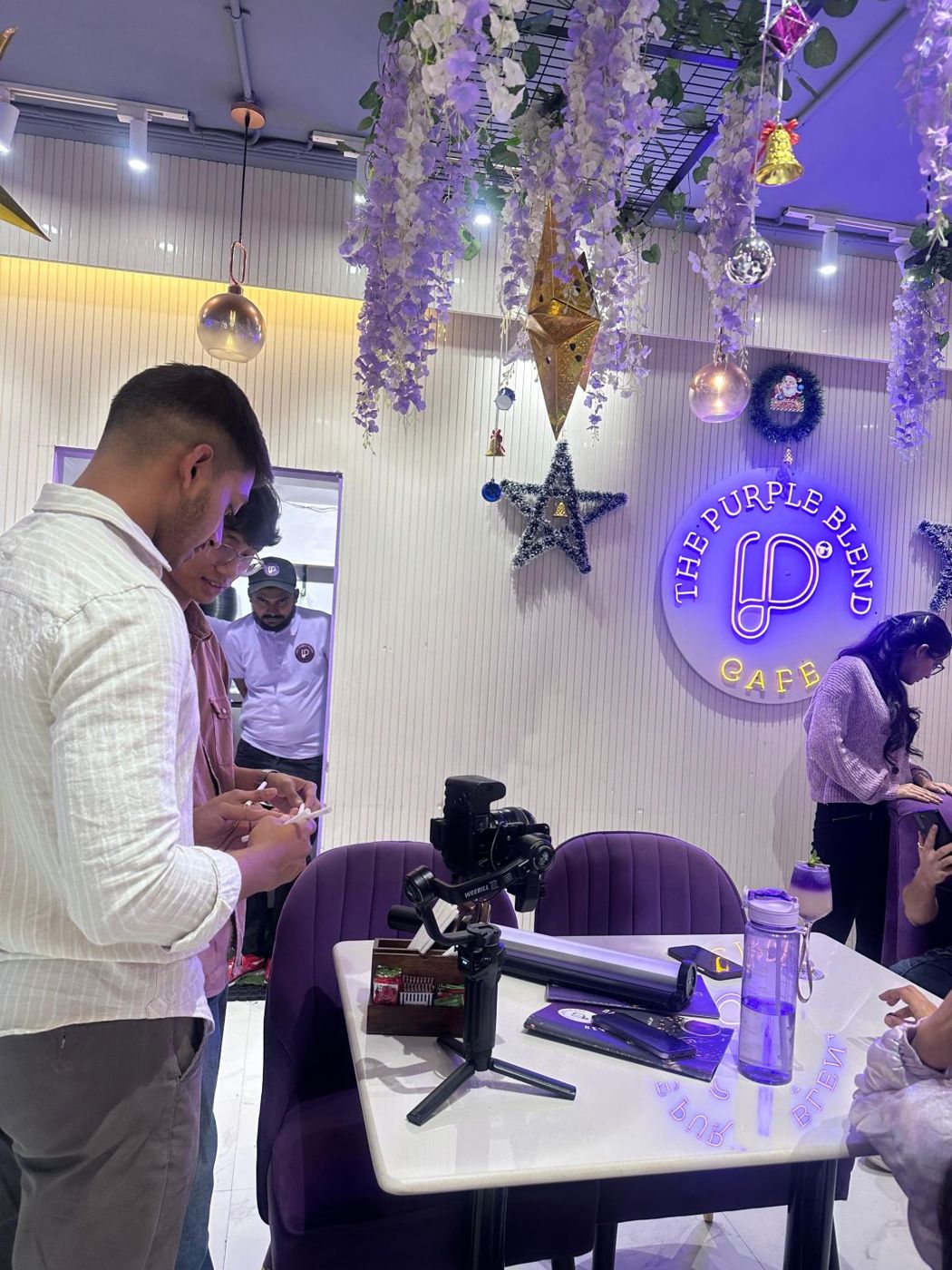
A rough guide for a small business is five to ten percent of what you earn. If the business is very new, it may be less. That is fine. A cafe in Gariahat that earns Rs 4 lakh a month might set aside Rs 20,000 for marketing. A home baker earning Rs 60,000 might set aside Rs 3,000. The plan changes, the method does not.
Write the number down. Marketing without a number is how money quietly disappears.
Pick one goal for the next three months
You cannot do everything with a small budget, so choose one thing. More walk ins on weekdays. Thirty new enquiries a month. Twenty repeat orders. One goal makes every later decision easier.
The cafe I mentioned chose "fill the weekday afternoon slots". That meant no money on weekend promotions, no festival banners, and no general brand ads. Everything went towards one gap.
If you are still working out your bigger direction, my post on marketing strategy for startups will help you set the base before you plan spending.
Use the free things properly first
Before you pay for anything, make sure the free tools are working hard for you. Most small businesses skip this and go straight to ads.
Fix your Google Business Profile. Add good photos, correct timings, your phone number and a short description. Ask happy customers for a review and make it easy by sending a direct link on WhatsApp.
Build a WhatsApp list. Every customer who orders or visits can be asked, "Can I send you our weekly special?" Ten messages to people who already like you will beat a hundred ads to strangers.
Post on Instagram three times a week with real photos of your work. No fancy tools needed. A clear phone picture of the food, the product or the team is enough.
Ask for referrals. A salon can offer a free blow dry to a customer who brings a friend. It costs almost nothing and works every time.
Spend a small amount on one paid test
Once the free basics are in place, try paid promotion in one place only. For most local businesses that means Instagram or Facebook ads aimed at people within a few kilometres, or Google Ads for searches like "birthday cake near me".
Start with Rs 200 to Rs 300 a day for a week. Run one clear offer with one picture. At the end, count how many enquiries or visits you got and divide the money spent by that number. That is your cost per customer.
If that cost is lower than what a customer is worth to you, add a little more. If it is not, change one thing, either the offer or the audience, and test again. Never change everything together.
Put your small business marketing plan on one page
A small business marketing plan fits on a single sheet. Here is the layout I give my clients.
Goal for three months: ____
Free work this month: reviews, WhatsApp list, three posts a week
Paid test: where, how much per day, for how many days
Offer we are promoting: ____
Who is responsible for each task: ____
Numbers to check every Sunday: enquiries, visits, cost per customer
Stick it near your desk. If a new idea appears, check whether it fits the sheet. If not, it waits until next month.
Do not forget the customers you already have
A new customer usually costs far more than bringing back an old one. A small D2C brand selling pickles from Kolkata told me their ads were too expensive. When we looked closer, almost nobody was being asked to reorder. We started sending a simple WhatsApp message three weeks after delivery: "Is the jar finished? Would you like another?" Repeat orders went up in the first month, and the ad spend was cut in half.
Thank people. Remember their name. Send a birthday message. These things cost nothing and build the kind of loyalty a paid ad cannot buy.
A small budget gets stretched thin quickly when you spread it across five platforms. I cover how to choose in my post on marketing channels for small businesses. The short version is this: go where your customer already spends time and ignore the rest for now.
Check every Sunday
Spend twenty minutes each Sunday looking at what happened. How many enquiries? Which post got the most replies? Which offer was used? Write three lines in a notebook.
After four weeks you will see a pattern. After twelve you will know more about your customers than most competitors do. And you will know exactly which rupees are working.
A tight budget is not a weakness
Some of the best marketing I have seen came from owners who had very little to spend, because they had to think carefully about every choice.
If you want a second pair of eyes on your small business marketing plan, send me a message. We can go through it together.